
Learning how to get clients for web design is one of the most important skills for any designer or agency owner. While strong design skills are essential, they don’t automatically translate into a steady flow of enquiries. Clients want clarity, trust, and confidence that their website will deliver real business results.
In this guide, we’ll explore proven strategies that help web designers attract better clients, close more deals, and build long-term relationships.
Why Getting Web Design Clients Is More Competitive Than Ever
Businesses increasingly rely on their websites to generate leads and revenue. According to data published by Statista, global ecommerce sales exceeded $5 trillion in recent years, highlighting how vital a strong digital presence has become for companies of all sizes. This growth has created significant demand for professional web designers.
At the same time, competition has increased. DIY website builders and low-cost freelancers make it harder to stand out, which means web designers must clearly communicate value rather than compete on price alone.
Define Your Ideal Web Design Client
Trying to appeal to everyone is one of the biggest mistakes web designers make. Defining your ideal client allows you to tailor your messaging, portfolio, and outreach to attract the right opportunities.
Consider factors such as industry, company size, budget range, and project scope. When your website and marketing speak directly to a specific audience, you’re far more likely to attract qualified leads who understand the value of professional design.
Build a Portfolio That Focuses on Results
A strong portfolio goes beyond visual appeal. Clients want to see how your work solves problems and delivers outcomes.
Include short case studies explaining the client’s challenge, your solution, and the results achieved. Testimonials are especially powerful here. Research from BrightLocal shows that 87% of consumers trust online reviews as much as personal recommendations, making social proof a critical factor in winning new business.
Turn Your Website Into a Lead-Generating Asset
Your own website should act as a sales tool, not just a showcase. Clear service descriptions, strong calls to action, and a user-friendly layout all contribute to higher conversion rates.
Businesses looking for a professional online presence often seek expert website design services that combine visual quality with usability and performance. When your site demonstrates these qualities clearly, it builds trust before a potential client ever contacts you.
Use SEO to Attract High-Intent Web Design Clients
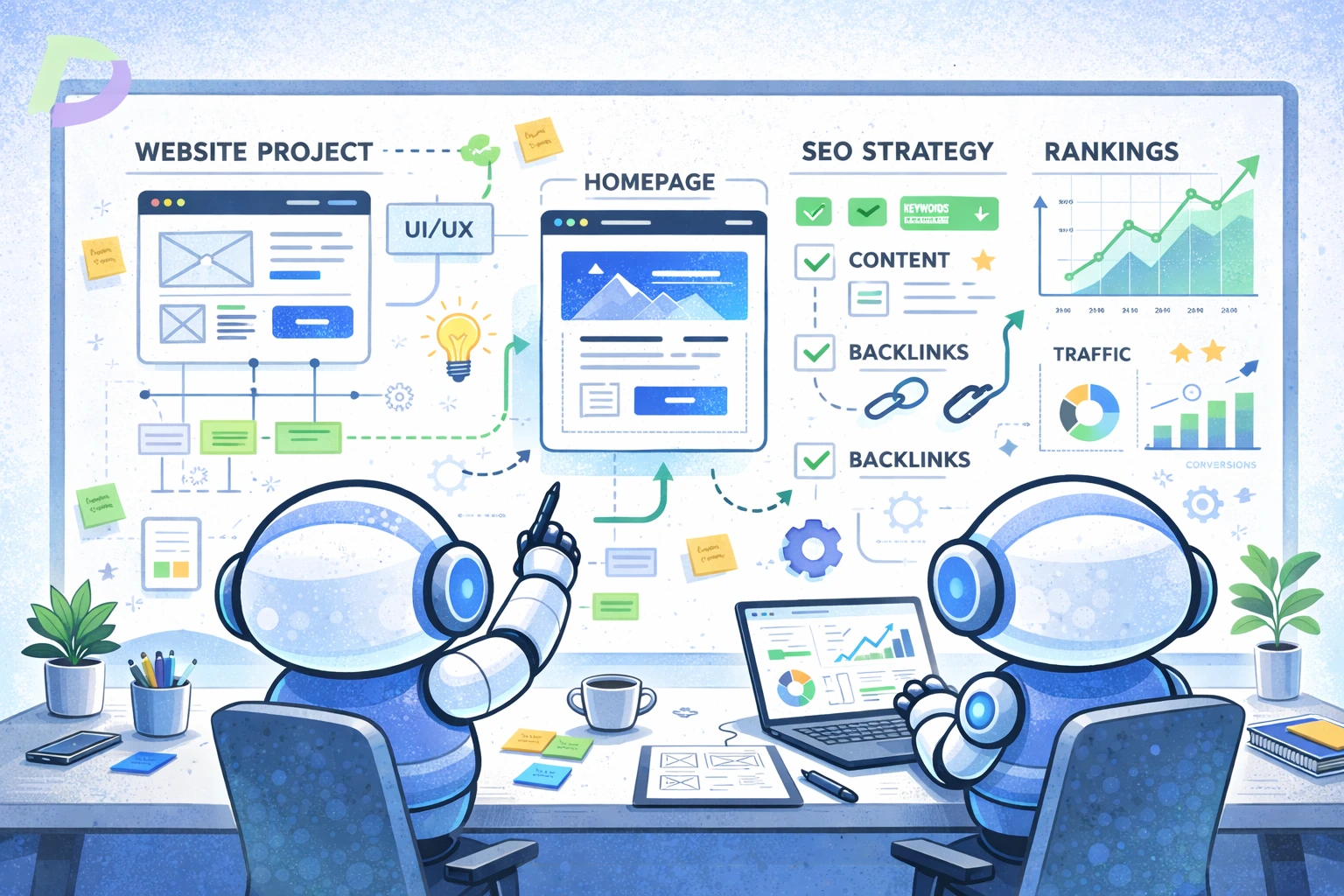
Search engine optimisation is one of the most effective long-term ways to get clients for web design. When someone searches for services you offer, appearing near the top of search results can generate consistent, high-quality enquiries.
According to analysis from Backlinko, the first organic result on Google receives roughly 28.5% of all clicks, showing just how valuable strong rankings can be. Publishing keyword-focused content, optimising service pages, and earning reputable backlinks all contribute to improved visibility.
Build Authority and Visibility Through Social Media
Social media platforms allow web designers to demonstrate expertise, share insights, and build trust over time. LinkedIn is particularly effective for B2B clients, while Instagram works well for showcasing visual work and creative processes.
Sharing behind-the-scenes content, design tips, and completed projects helps position you as an expert rather than just another service provider.
Network With Business Owners and Industry Partners
Personal connections remain a powerful way to find web design clients. Attending business events, industry meetups, and startup networking sessions puts you directly in front of people who may need your services.
Partnering with professionals such as marketers, SEO specialists, and copywriters can also generate consistent referrals. Many clients prefer working with teams that can handle both design and website development, making collaboration a strong growth strategy.
Use Freelance Platforms With a Long-Term Strategy
Freelance platforms can help you gain experience and visibility, especially early on. However, they work best when used selectively.
Focus on projects that align with your niche and long-term goals rather than competing solely on price. Over time, strong client relationships built on these platforms can lead to repeat work and referrals outside the marketplace.
Educate Prospects With Content Marketing
Content marketing builds trust before the sales conversation begins. Blog posts, guides, and videos that answer common questions help potential clients see you as a knowledgeable professional.
Educational content also supports SEO and social media, making it a highly efficient marketing channel. When prospects learn from you, they’re far more likely to hire you.
Respond Quickly to Enquiries
Fast response times significantly improve conversion rates. Research highlighted by Lead Owl shows that responding to enquiries fast increases your conversions by 400%.
Automated acknowledgements and clear next steps help reassure prospects that they’re dealing with a professional and reliable provider.
Ask for Referrals and Reviews
Satisfied clients are often happy to recommend your services — they just need to be asked. After completing a successful project, request a testimonial or referral while the experience is still fresh.
Over time, referrals can become one of your most reliable and cost-effective sources of new clients.
Expand Services to Increase Client Value
Offering complementary services allows you to increase revenue per client and strengthen long-term relationships. Maintenance plans, optimisation services, and technical development all add value beyond the initial design phase.
Many clients prefer working with a single provider who can manage their website from design through to development and ongoing support.
Make It Easy for Clients to Contact You
If someone is ready to enquire, contacting you should be effortless. Clear calls to action, simple forms, and visible contact information reduce friction and increase conversions.
A well-structured contact page reassures potential clients and encourages them to take the next step with confidence.
Final Thoughts on How to Get Clients for Web Design
Understanding how to get clients for web design is about consistency, clarity, and credibility. Designers who clearly communicate value, demonstrate results, and build trust across multiple channels will always stand out in a competitive market.
By combining SEO, content, networking, and strong client relationships, you can create a sustainable pipeline of web design clients who value quality and long-term collaboration.